
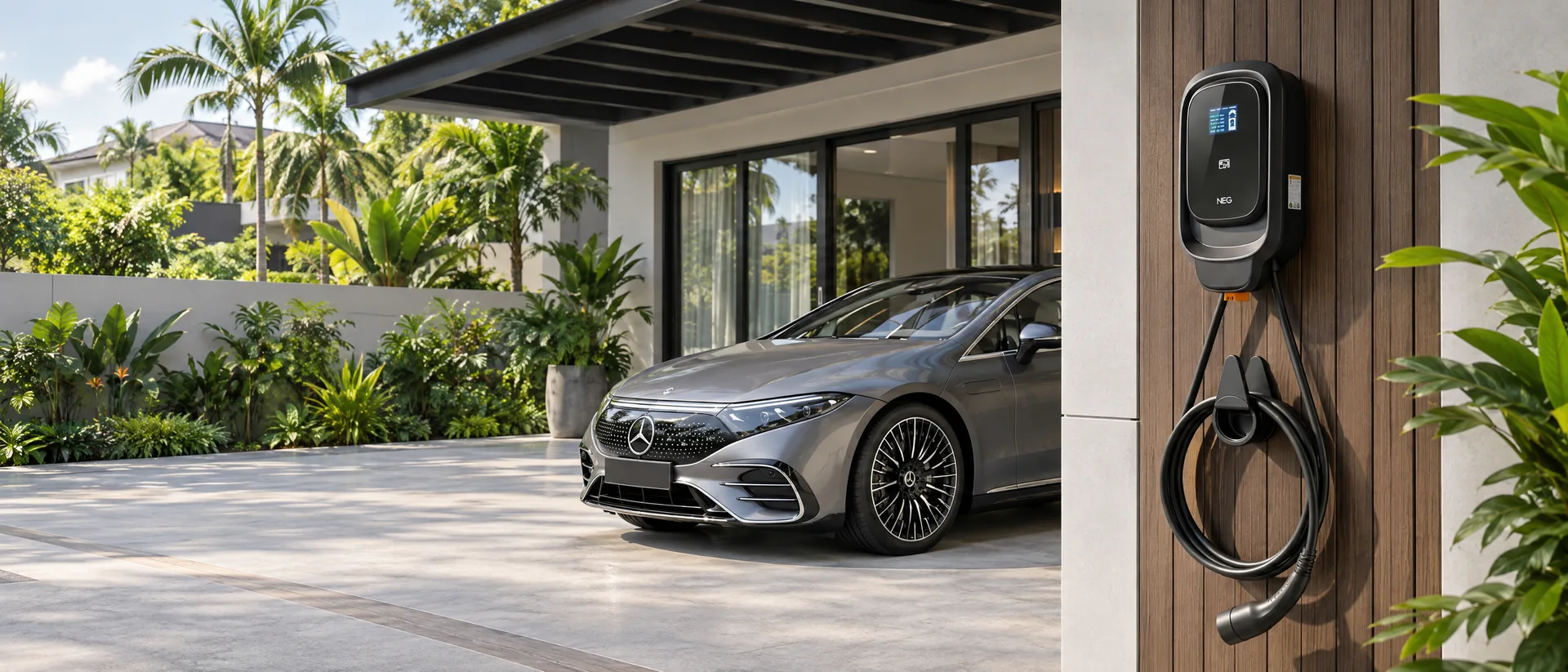
The right EV charger for your landed home — surveyed and sized, not guessed
Bungalows, semi-Ds and terraces. We confirm your power supply, run the cabling neatly, weatherproof it, and get you charging in as fast as 1–3 days.
- Single- or three-phase up to 22kW
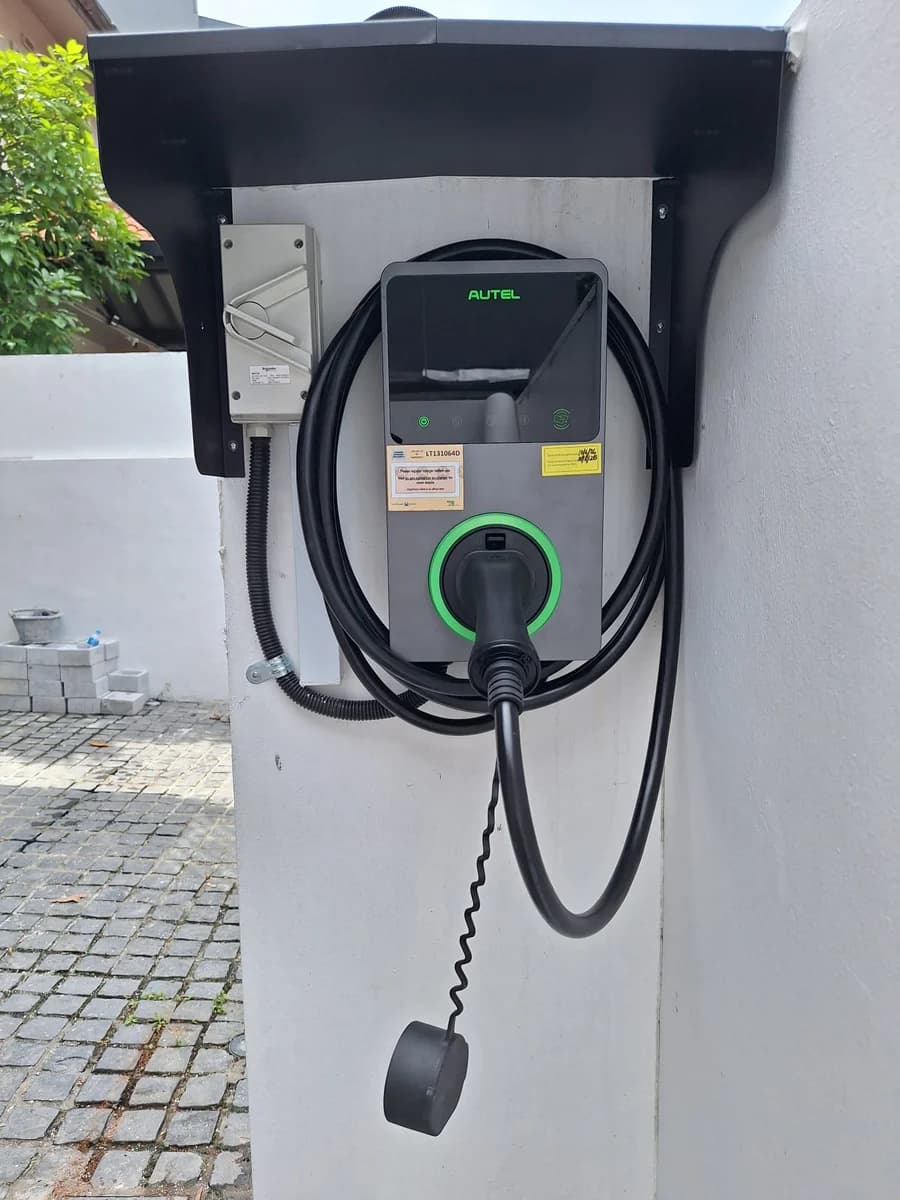
- Neat cable routing, weatherproof canopy option
- Licensed Electrical Worker + Certificate of Fitness
- Honest advice — landed homes have no grant
A clean, compliant landed-home install
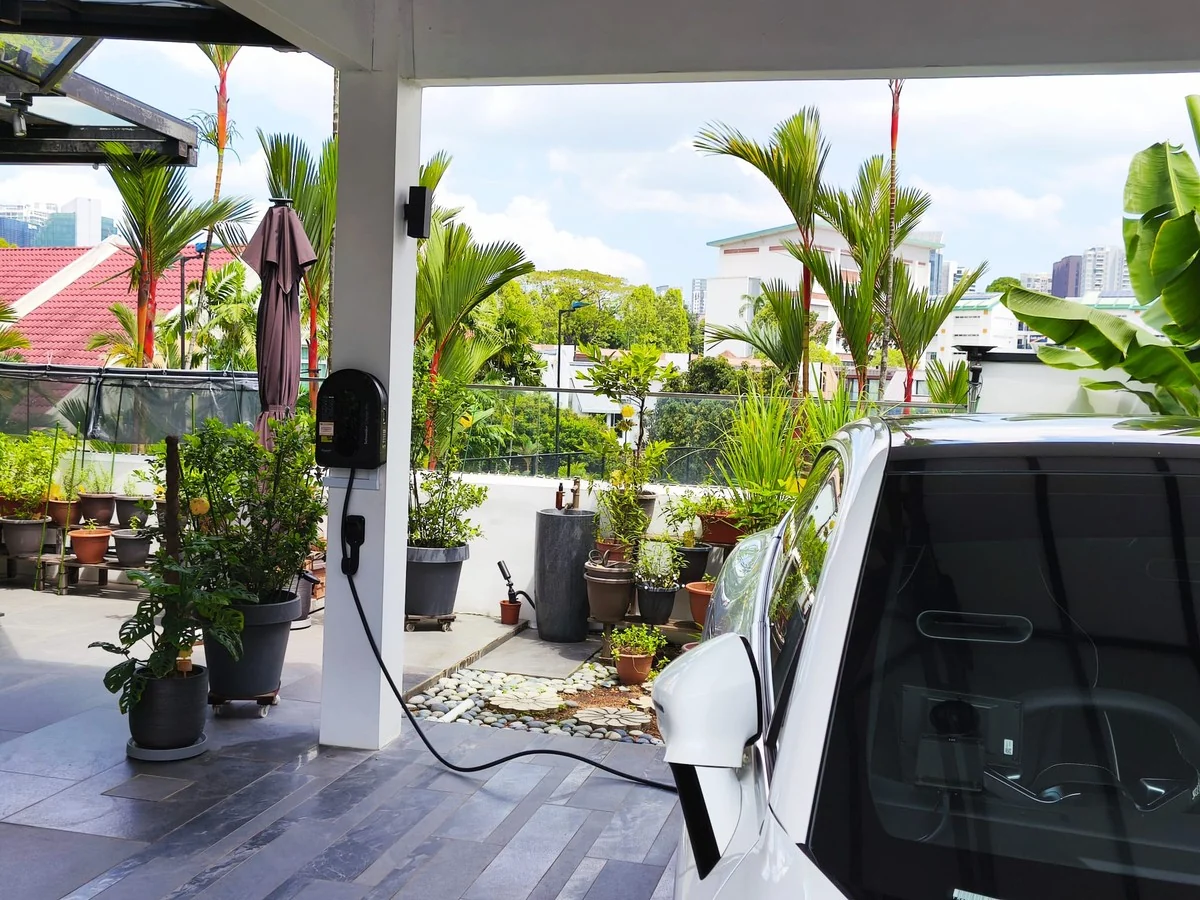
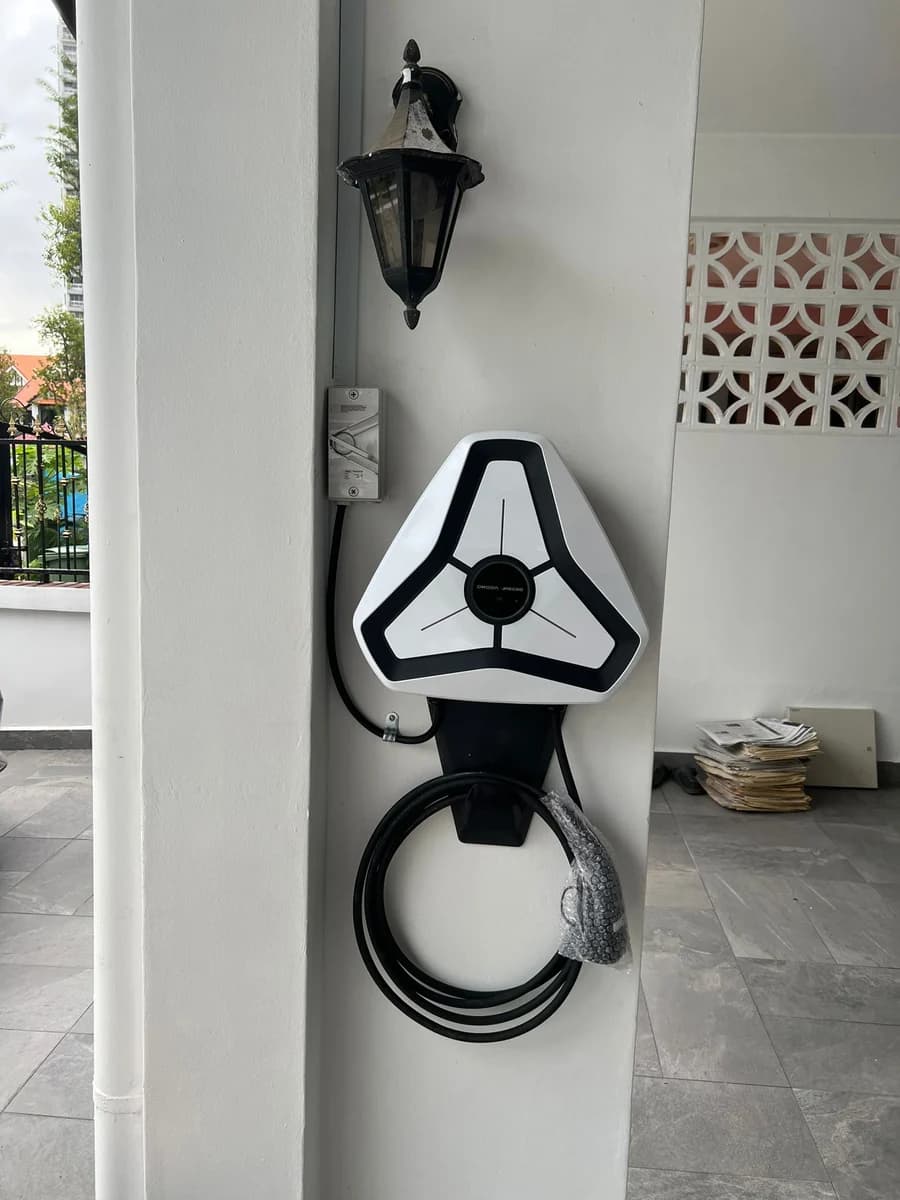
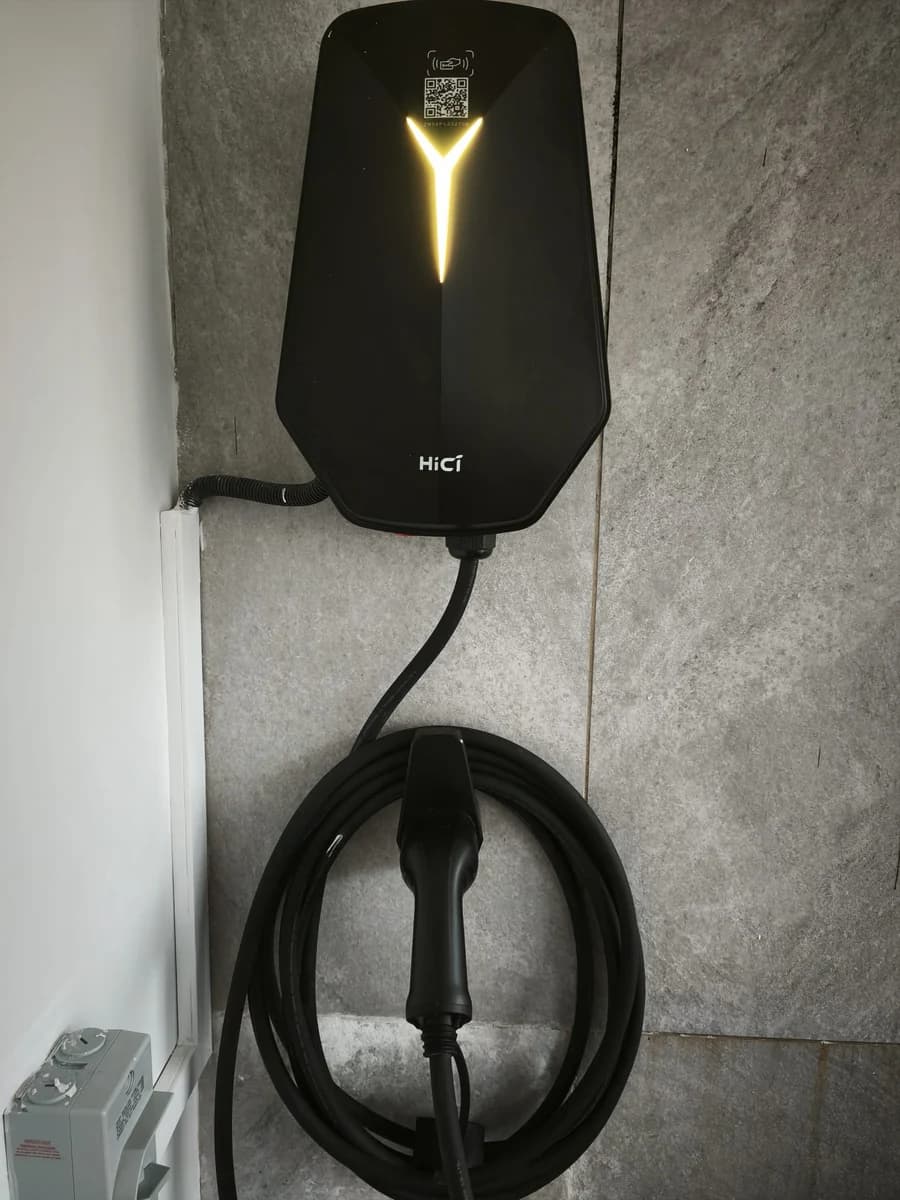
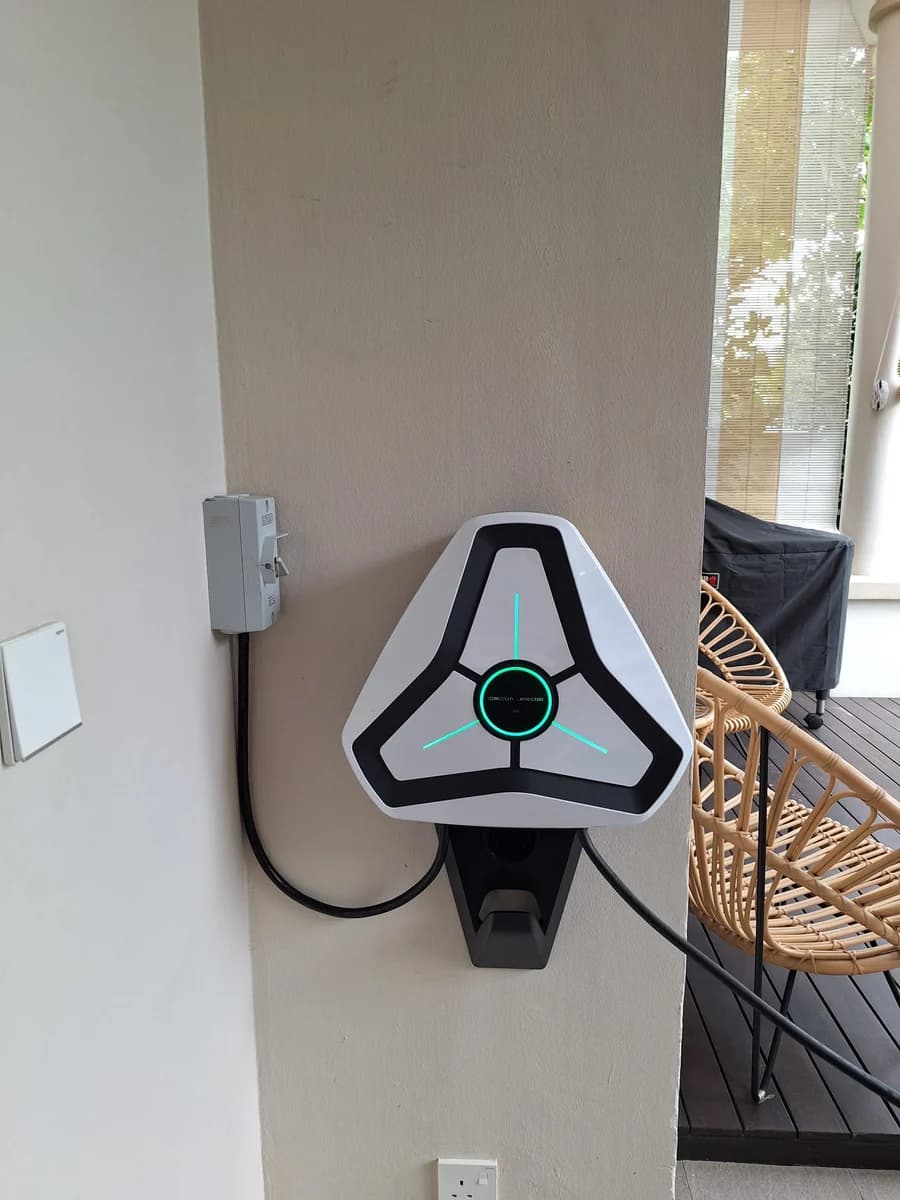
A landed home gives you the space to charge properly. You get a dedicated wallbox on its own protected circuit, mounted where you park, with the cable hidden in neat trunking instead of trailing across the porch.
We start with a free site survey. We check whether your incoming supply is single-phase or three-phase, and whether your distribution board has spare capacity. Then we size the charger, route the cabling neatly, weatherproof any part that sits outdoors, and hand over a Certificate of Fitness signed by a Licensed Electrical Worker.
- Own protected circuit + RCBO
- Neat trunking, tidy cable run
- IP65 outdoor-rated, canopy optional
- LEW-certified, Certificate of Fitness
Everything a landed install needs
Free site survey & load check
Before we quote, we check your incoming supply and distribution board capacity — so the charger is sized to what your home can actually deliver.
Single- or three-phase up to 22kW
Most homes run a 7.4kW single-phase unit; three-phase landed properties can go to 11kW or 22kW if your car accepts it.
Weatherproofing & canopy option
Outdoor installs get IP65-rated protection, with an optional canopy to shield the unit from sun and heavy tropical rain.
Certificate of Fitness by a LEW
All wiring is carried out and certified by a Licensed Electrical Worker, with a Certificate of Fitness on completion — the compliant way in Singapore.
Neat, safe installs at home.
What affects the price of a landed install
| Factor | What it means for your quote |
|---|---|
| Charger unit | The wallbox itself. Power rating, smart features and warranty affect the figure — quoted after your free survey. |
| Cable run distance | The further your parking spot is from the DB, the more cable and trunking is needed — usually the single biggest variable on a landed quote. |
| Single- vs three-phase | Three-phase unlocks 11kW/22kW but uses different cabling and protection. We confirm which supply you have before quoting. |
| DB / consumer-unit upgrade | If your board has no spare way or capacity is tight, we may add a circuit or upgrade the consumer unit — quoted upfront, never a surprise. |
| Weatherproof canopy (optional) | An add-on for exposed outdoor spots to keep sun and rain off the unit. Skip it if your charger is already sheltered. |
| LTA registration fee | A government registration fee that applies to every AC charger installation in Singapore. |
Indicative factors only — your exact price is confirmed after a free site survey, with no hidden costs. Landed homes are not eligible for the ECCG grant.
Frequently asked questions
Do I need a DB or power upgrade?
Often not. Many landed homes have enough spare capacity on the existing distribution board for a 7.4kW charger. During the free survey we check your incoming supply and your board. If you need a spare way or a small upgrade, we tell you upfront and put it in the quote. Nothing is hidden.
How long a cable run is too long?
There's no hard limit — we've run cabling right across large plots. Longer runs simply need more cable and trunking (and occasionally a heavier cable to manage voltage drop), which adds to the cost. We measure the exact route during the survey and price it precisely, so there are no surprises.
Single- or three-phase for my home?
Most owners are well served by a 7.4kW single-phase charger, which fully charges nearly every EV overnight. Three-phase (11kW or 22kW) only helps if your home has a three-phase supply and your car accepts that speed. We confirm both before recommending anything.
Is there a grant for a landed home charger?
No. Singapore's EV Common Charger Grant (ECCG) is for non-landed private residences — condominiums and apartments (NLPRs) — to help fund shared chargers. Landed homes are not eligible, so you pay the full, transparent price. We'll never imply otherwise.
How long does installation take?
The physical installation is usually a single day; allow 1–3 days overall from the survey, depending on the cable run, any DB work and scheduling. We book a firm date after the survey and complete the Certificate of Fitness on the day.
Terrace vs bungalow — any difference?
The charger and safety standard are identical; the practical differences are cable run and supply. Terraces usually have short, tidy runs from the DB to the porch. Bungalows and semi-Ds can have longer runs and are more likely to have three-phase for 22kW — both of which we confirm and price during the survey.