
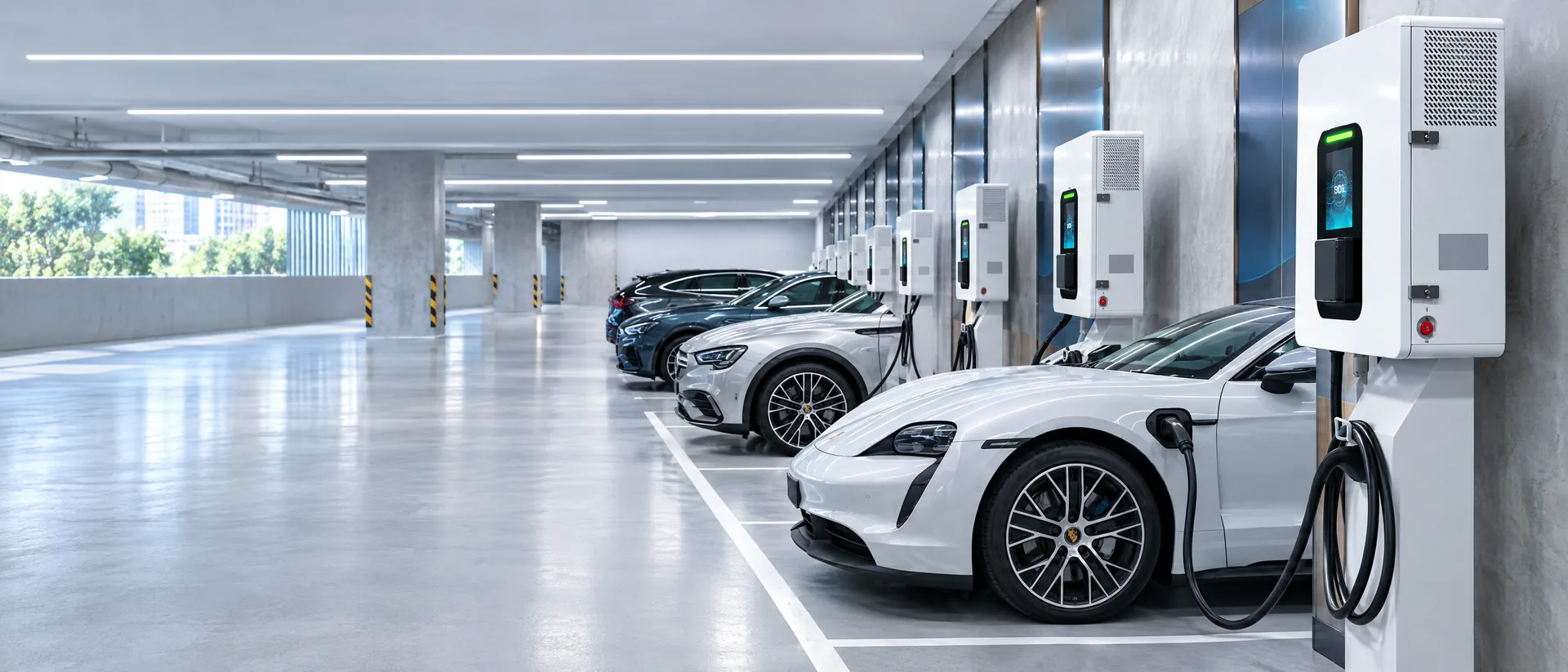
A DC30 can go in today — not in two months
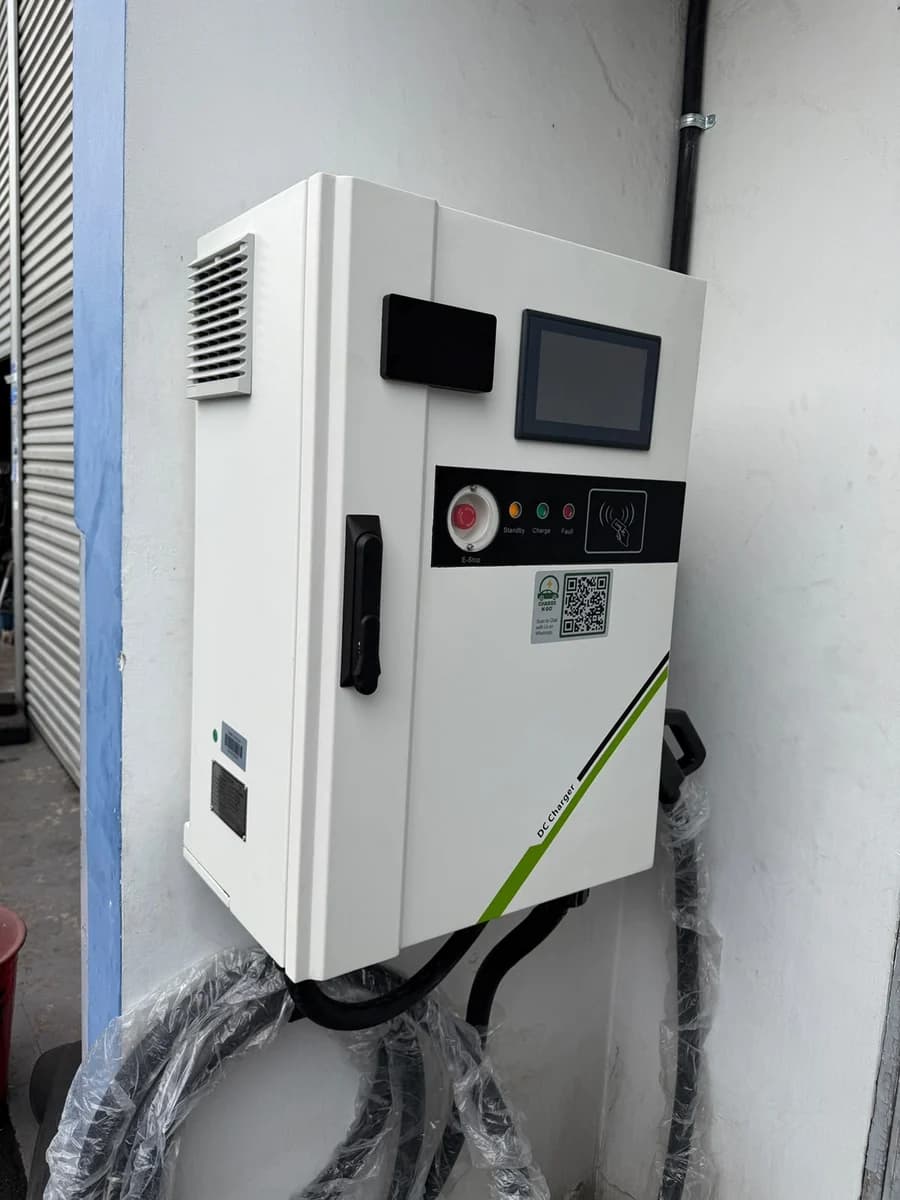
A 30kW DC charger needs no grant application and no waiting. Confirm in the morning and it is working the same day, usually in four to five hours. For offices, condos, factories, logistics depots and new developments, in AC and DC, managed over OCPP and load-balanced.
- DC30 — same-day install, no grant application
- AC & DC (30kW–240kW) options
- OCPP + load management across bays
- EHVCG grant support on 50kW+ (up to 50% per charger)
Two routes, two very different timelines
A grant is worth having, but it is not fast. If the fleet is losing hours now, the 30kW route starts today and costs you nothing in waiting.
Fastest route
DC30 — start today
30kW, below the grant threshold
- Lead time
- Same day — confirm in the morning, commissioned that afternoon
- On site
- Typically four to five hours
- Grant application
- None. A 30kW unit is below the 50kW minimum, so there is nothing to apply for
- Best for
- Small fleets losing hours to overnight AC charging right now
DC60 and above — with the grant
60–240kW, EHVCG eligible
- Lead time
- Two months at the very best, once the application is approved
- On site
- A staged programme, not a single visit
- Grant application
- EHVCG covers 50% of eligible cost, capped at S$30,000 per charger — we handle the application end to end
- Best for
- Heavier vehicles and depots where the higher output genuinely pays back
If you are on AC today, the real comparison is not DC30 against DC60. It is either of them against a vehicle that sits off the road for five to eight hours a night.
AC or DC, grant-supported, load-managed
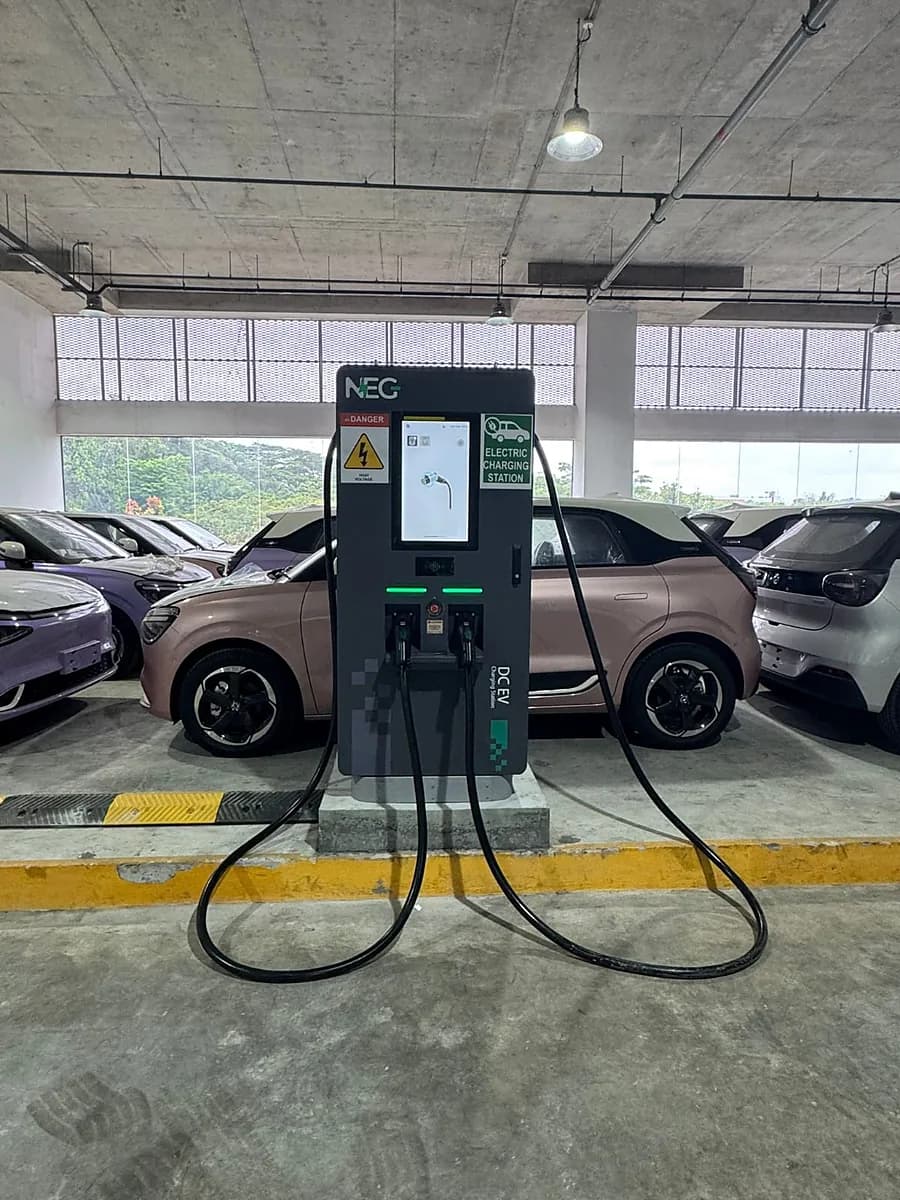
We match the charger to how vehicles use your site. AC at 7.4 to 22kW suits offices, condos and workplaces, where cars park for hours. DC fast charging from 30kW upwards suits fleet depots and shops that need vehicles back quickly. Everything runs on OCPP, so you can meter and bill from the first day.
Dynamic load management lets you add bays on the supply you already have, instead of paying for an expensive upgrade. We also plan DC setups that qualify for the EHVCG grant for commercial fleets. Every install meets TR25, is fitted by a Licensed Electrical Worker, and is handed over with a Certificate of Fitness.
- OCPP pay-per-use billing
- Dynamic load management
- EHVCG grant scoping (DC fleets)
- LEW-certified, TR25-compliant
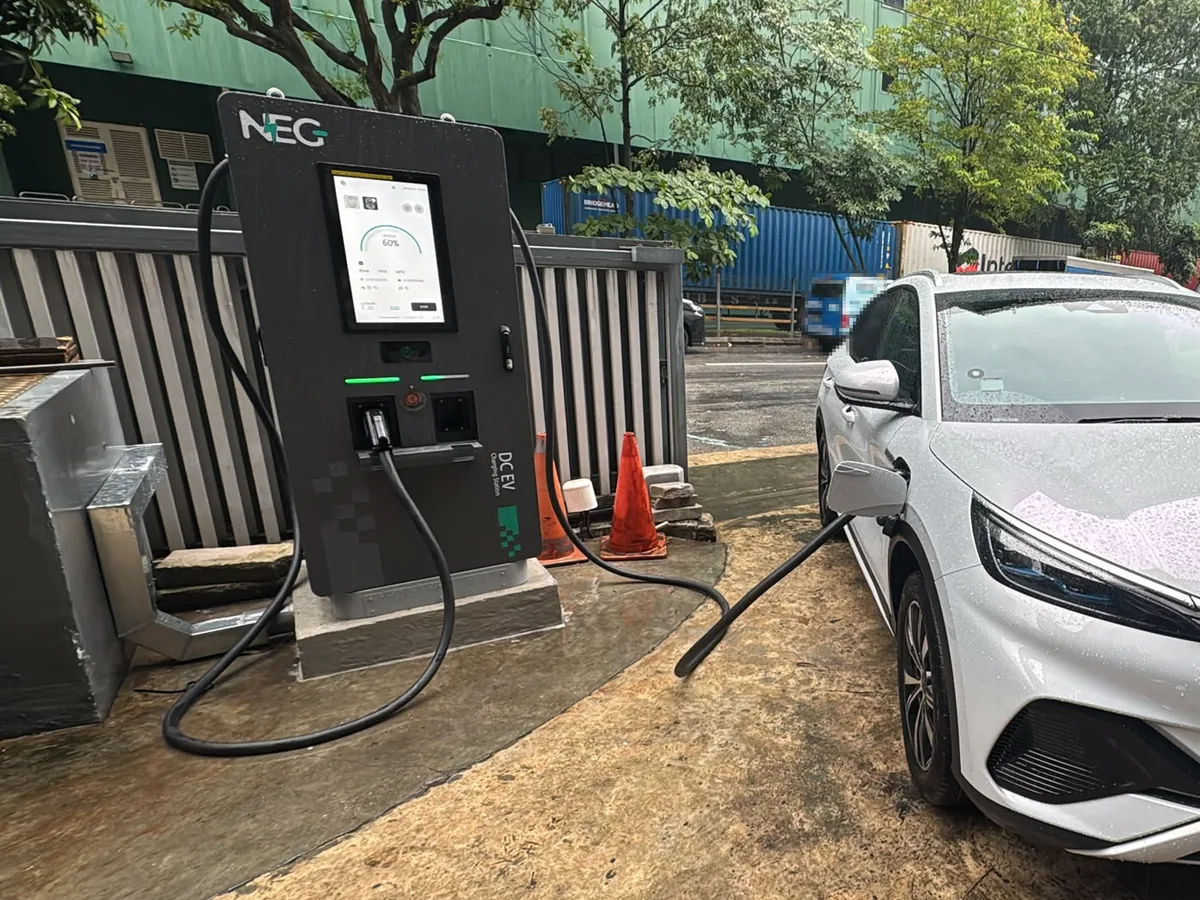
Charging for every commercial site
Offices & workplaces
Staff and visitor bays that charge during the working day — AC for long dwell, with access control and optional pay-per-use.
MCST & condominiums
Shared-carpark rollouts for management councils: fair per-user billing, load-managed supply and a clear path through MCST approval.
Logistics & fleet depots
DC fast charging sized to duty cycles so vans and trucks turn around fast — the setups eligible for EHVCG co-funding.
Retail & mixed-use
Malls, F&B and forecourts where charging draws footfall — reliable bays with monitoring and pay-per-use revenue.
AC or DC for your site?
Dwell time decides this. Vehicles parked for hours want AC; vehicles that have to be back on the road want DC.
AC — 7.4–22kW
For long-dwell parking
- Top-up time
- 4–8 hrs — overnight or all-day dwell
- Best for
- Offices, condos, workplace bays
- Cost per point
- Lower
- EHVCG grant
- Not eligible
- OCPP billing
- Yes
DC fast — 30–240kW
For fast turnaround
- Top-up time
- 20–90 min
- Best for
- Fleet depots, retail, forecourts
- Cost per point
- Higher
- EHVCG grant
- 50% at 50kW+, for new electric heavy vehicle registrations
- OCPP billing
- Yes
Many sites use a mix — AC where vehicles dwell for hours, DC where they need a fast top-up. We recommend the split at survey.
Charged by lunch, not tomorrow.
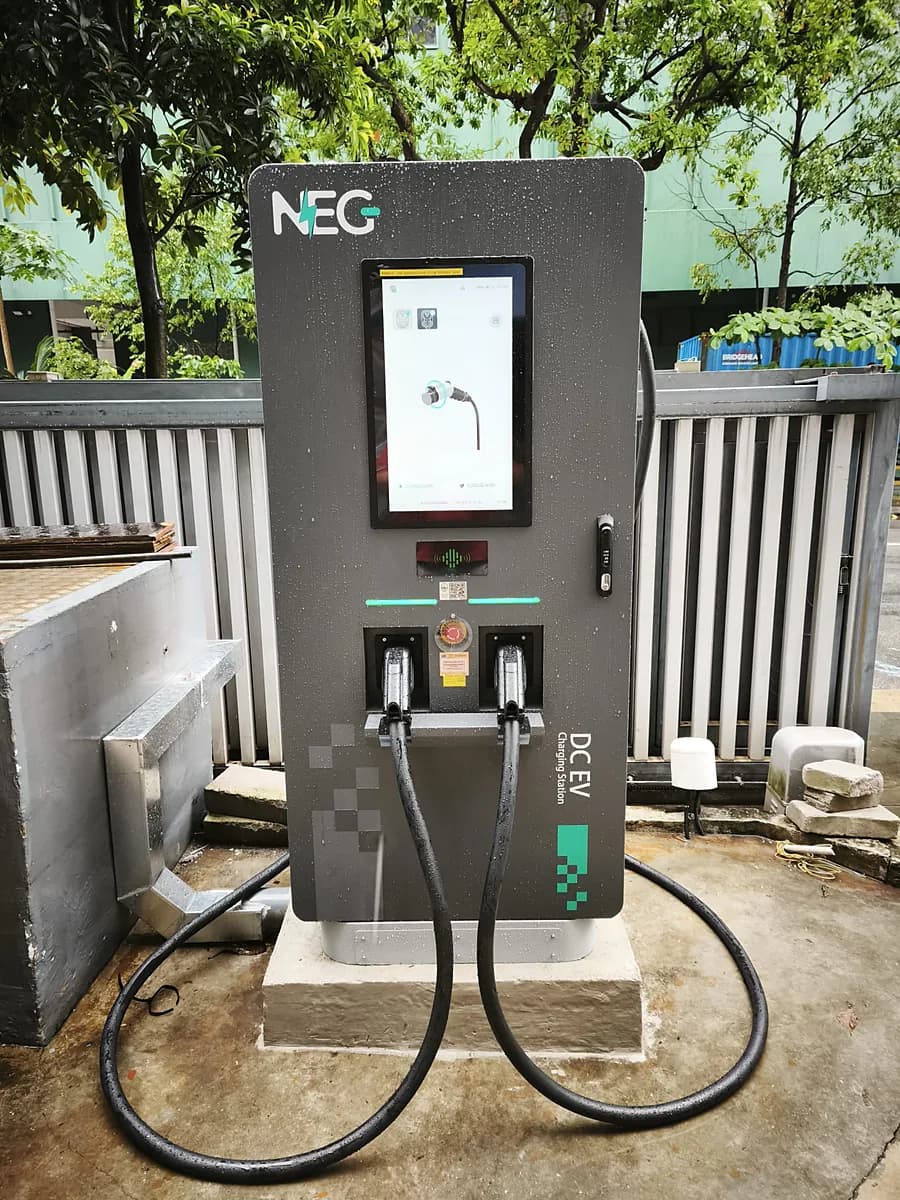
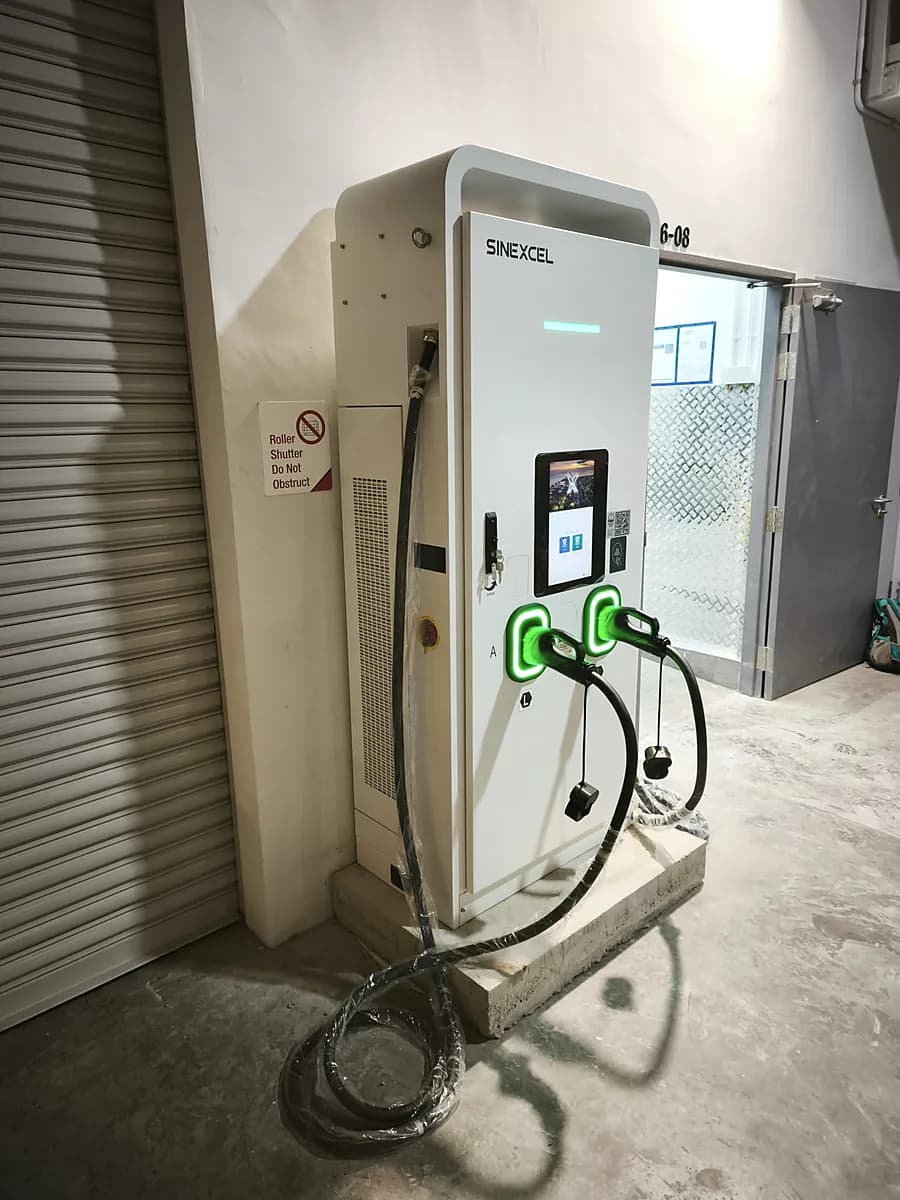
Built to scale, built to comply
Load management
Charge more vehicles on your existing supply. Dynamic load balancing shares available power across bays so you add points without a costly upgrade.
OCPP & pay-per-use
Open-protocol (OCPP) hardware for access control, live monitoring and pay-per-use billing — so chargers can pay for themselves.
EHVCG grant support
We scope grant-eligible DC installations for commercial fleets and help with the paperwork — up to 50% per charger.
DC fast charging
30kW to 240kW for depots and fleets that can't sit idle for hours, sized to your vehicles and duty cycle.
Maintenance & SLA
Servicing, remote monitoring and mandated periodic inspections under a plan or SLA to keep uptime high.
Developer & MCST-ready
New-build and estate rollouts with one accountable team — from load study and approvals to commissioning.
EHVCG co-funding, in plain terms
The Electric Heavy Vehicle Charger Grant is tied to the vehicle, not the property. So whether you qualify is settled before the charger is chosen.
Eligible DC charger cost
Your installed cost — confirmed with a transparent quote after a free site survey.
EHVCG co-funding
50% of eligible cost, capped at S$30,000 per charger, where you are registering a new electric heavy vehicle.
Your net cost
The balance after the grant — we scope a qualifying setup to help you maximise it.
You must be the registered owner of a new electric heavy vehicle with ARF paid, registered between 1 Jan 2026 and 31 Dec 2028, and the charger must be rated at least 50kW. Actual cost and eligibility are confirmed at survey; grant approval rests with LTA.
Frequently asked questions
Am I eligible for the EHVCG grant?
Only if you are registering a new electric heavy vehicle. The grant follows the vehicle, not the property. You must be the registered owner of a new electric heavy vehicle, with the Additional Registration Fee paid, registered between 1 January 2026 and 31 December 2028. The charger has to be rated at least 50kW, so 30kW DC units and AC wallboxes do not qualify. LTA pays half the eligible cost, up to S$30,000 for each charger, for up to three chargers at one site. We plan a setup that qualifies and help prepare the application, but LTA decides the approval.
Can I bill users (OCPP)?
Yes. We install OCPP chargers linked to a management system, so you can set your own rates and charge staff, tenants or the public for each use. You get access control and live usage reports. You set the rates, and the system handles the metering and the payment.
Do I need a power upgrade for multiple bays?
Often not. Dynamic load management shares your available supply across bays and throttles intelligently at peak, so you can add chargers without tripping capacity. We confirm your headroom with a load study at survey and only recommend an upgrade if it is genuinely needed.
Do you offer maintenance / SLA?
Yes. We offer maintenance plans and service agreements. They cover regular servicing, remote monitoring, fault call-outs and the inspections the law requires, and we size the plan to how much uptime you need. It keeps the chargers working and compliant for as long as you have them.
How does an MCST / condo rollout work?
We start with a site and load study, then help you present options and costs to the management council (MCST) for approval. Once approved, we install shared chargers with fair per-user billing and load management, and handle LTA registration and certification. Rollouts can be phased as demand grows.
AC or DC for our site?
It depends on how long the vehicles stay. Where they park for hours, such as offices, condos and workplaces, AC at 7.4 to 22kW costs less and does the job. Where they have to be back on the road quickly, such as fleet depots, shops and forecourts, DC from 30kW upwards makes sense, and it can qualify for the EHVCG grant. Many sites use both, and we recommend the mix at the survey.